Design an escape game that works anywhere, with what you already have
with Rostaim Yavari
The Workshop
This workshop introduces the fundamentals of designing an escape game that is accessible, adaptable, and meaningful.
It begins with a roundtable where participants share their context and intentions. From there, the session breaks down the core design parameters that shape a successful game, including group size and age, relationships between players, competitive or cooperative formats, budget, available time, location, atmosphere, difficulty, replay value, and whether the experience will be facilitated or self guided.
The Details
Participants are guided step by step through the creation of an escape game, from the initial narrative idea to a fully playable structure.
The workshop covers narrative design, puzzle progression, and how to create clear, logical clues. You will learn how to structure optional hints for groups that get stuck and how to design bonus sequences for players who move faster than expected.
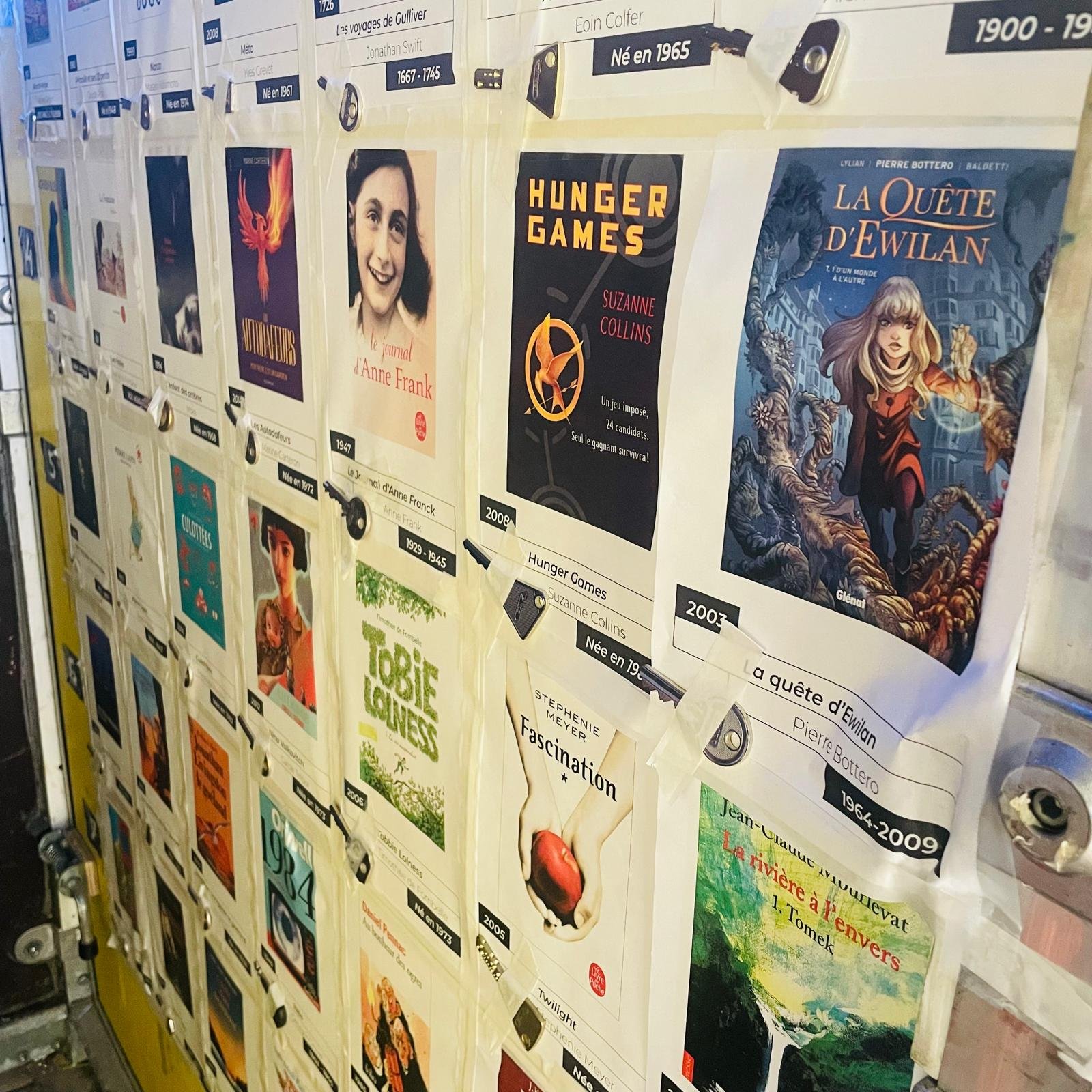
Practical attention is given to material choices and cost control. The session explores how to source low cost or free materials, reuse everyday objects, and design creatively within constraints. Examples include repurposed boxes, discarded keys, recycled packaging, old posters, flea market finds, and objects already available in homes or community spaces.
By the end of the workshop, you will:
Understand the key parameters that shape an effective escape game
Design a clear narrative and puzzle structure
Create logical clue systems with optional hints
Adapt your game to different groups and environments
Source and use low cost materials creatively
Leave with a concrete framework for building your own escape game
What you’ll need:
A notebook for sketching ideas. No special materials required.
Date:
12 May 2026, 5 to 6:30 PM CET
Location: Online
Design an escape game that works anywhere, with what you already have
with Rostaim Yavari
The Workshop
This workshop introduces the fundamentals of designing an escape game that is accessible, adaptable, and meaningful.
It begins with a roundtable where participants share their context and intentions. From there, the session breaks down the core design parameters that shape a successful game, including group size and age, relationships between players, competitive or cooperative formats, budget, available time, location, atmosphere, difficulty, replay value, and whether the experience will be facilitated or self guided.
The Details
Participants are guided step by step through the creation of an escape game, from the initial narrative idea to a fully playable structure.
The workshop covers narrative design, puzzle progression, and how to create clear, logical clues. You will learn how to structure optional hints for groups that get stuck and how to design bonus sequences for players who move faster than expected.
Practical attention is given to material choices and cost control. The session explores how to source low cost or free materials, reuse everyday objects, and design creatively within constraints. Examples include repurposed boxes, discarded keys, recycled packaging, old posters, flea market finds, and objects already available in homes or community spaces.
By the end of the workshop, you will:
Understand the key parameters that shape an effective escape game
Design a clear narrative and puzzle structure
Create logical clue systems with optional hints
Adapt your game to different groups and environments
Source and use low cost materials creatively
Leave with a concrete framework for building your own escape game
What you’ll need:
A notebook for sketching ideas. No special materials required.
Date:
12 May 2026, 5 to 6:30 PM CET
Location: Online